BITCOIN MINING; A SERIES - PART 1: THE UPS, DOWNS AND REBOUNDS
%20--%3e%3csvg%20version='1.1'%20id='Layer_1'%20xmlns='http://www.w3.org/2000/svg'%20xmlns:xlink='http://www.w3.org/1999/xlink'%20x='0px'%20y='0px'%20viewBox='0%200%20295.5%20295.5'%20style='enable-background:new%200%200%20295.5%20295.5;'%20xml:space='preserve'%3e%3cstyle%20type='text/css'%3e%20.st0{fill:%23231F20;}%20%3c/style%3e%3ctitle%3eclock%20icon%3c/title%3e%3cpath%20class='st0'%20d='M268.8,147.7c0,66.9-54.2,121.1-121.1,121.1c-66.9,0-121.1-54.2-121.1-121.1S80.9,26.6,147.8,26.6V0%20C66.1,0,0,66.1,0,147.8s66.1,147.8,147.8,147.8s147.8-66.1,147.8-147.8c0,0,0,0,0,0H268.8z'/%3e%3cpolygon%20class='st0'%20points='134.4,80.6%20134.4,134.4%20134.4,147.8%20134.4,161.1%20187.8,161.1%20187.8,134.4%20161.1,134.4%20161.1,80.6%20'/%3e%3c/svg%3e) 5 min read
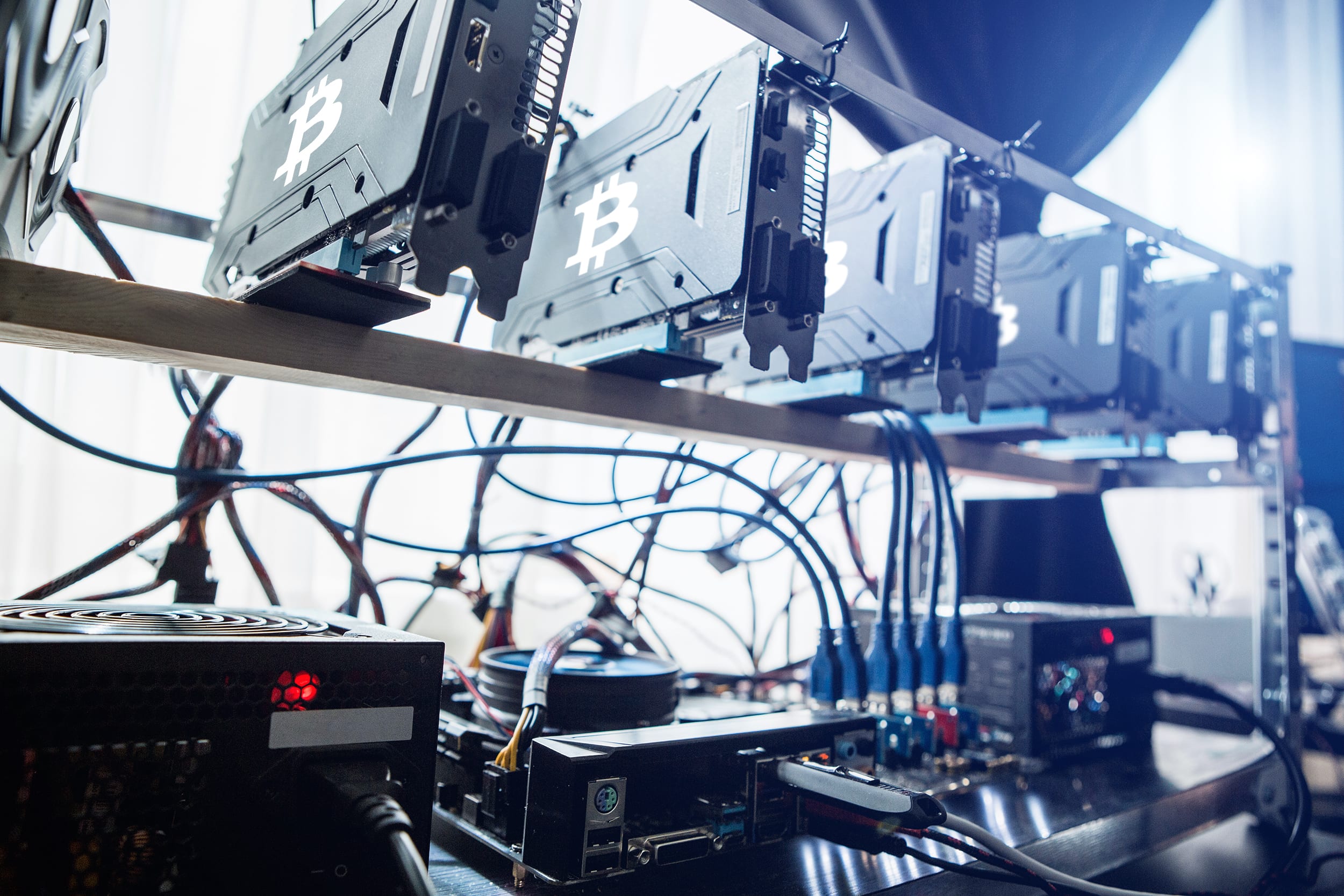
5 min readWe’re going to try something a bit different with Stokepost. Bitcoin mining, the driving force behind the leading cryptocurrency on the market, doesn’t get the most attention, so we want to shine a light on it. Information about this subject is dense as there is a lot to talk about, so over the next few weeks, we will release our posts in a set of series so it is more digestible to you, our readers. Let’s get into it!
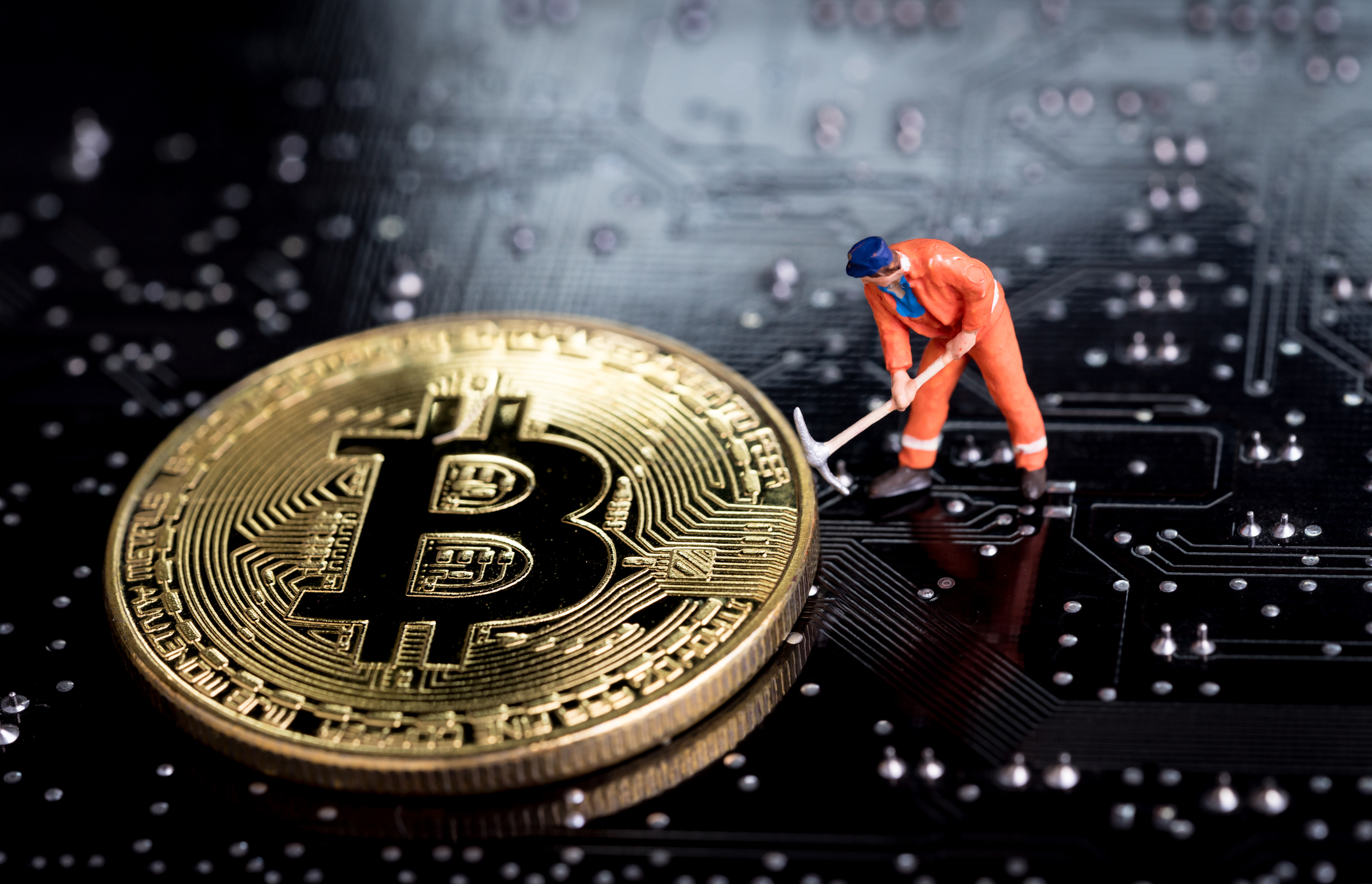
PHOTO COURTESY OF Nuthawut Somsuk
Bitcoin mining is an interesting industry. It reaps benefits for those who started early on in the Bitcoin craze. However, as companies, firms and career miners with more resources enter the market, the road to realistic profitability for your everyday miner can become unclear. The saving grace here is that mining hardware and technology will get more sophisticated as time moves on. The question - is it worth mining in 2022?
BITCOIN ON A HIGH
Let’s look at last year. The recent crash Bitcoin experienced a few weeks ago was bad, but this is part of how cryptocurrency behaves. In July of 2021, Bitcoin hit a low of under $27,000. Then, just four months later, an all-time high of nearly $70,000 happens. This meant that miners saw nice gains in their endeavors and during those few months, it was comparable to a digital gold rush. On top of this, forecasters predicted that Bitcoin would cross the $100,000 mark before 2021 was over, further fueling the craze as people wanted to join the rocketship. The complete opposite happened, and the price dipped 52% over the past few weeks, reaching below $33,000. (Bitcoin will definitely cross that $100,000 threshold, it’s just hard to tell when)
WHAT CAUSED THE MOST RECENT CRASH?
There are many reasons, but three big factors are worth pointing out. First, cryptocurrency should be free-floating from the stock market, behaving independently regardless of how it does. But when the COVID pandemic began, it gave an example of a different reality. As world markets went down, so did the value of nearly every cryptocurrency. Bitcoin was hit hard, dropping from then highs of $20,000 to just under $9,000 in a matter of days. Then, this past winter, the markets were in a slump, so Bitcoin took a dive as well. While not a perfectly direct correlation, it seems the world stock markets can play a role in how cryptocurrencies perform.
Another factor is market influencers. Given the strength of social media, a tweet from an eccentric billionaire, for example, can either tank or inflate the value of a crypto asset. There is a reason for this. With more sentiment attached to crypto over fiat fungibility, those with a large following can influence the value. Bitcoin is not as susceptible to this as say, Dogecoin, but the concept still applies.
Lastly, but certainly not least, is market regulation. Some countries are doing their best to regulate this idea of a decentralized currency. China made one of the bolder moves of 2021 and outright banned crypto mining in June. Kazakhstan, a country with a surging crypto mining market, is looking to put a 500% tax on the electricity used by miners due to the strain on its energy supply, forcing many to eye other locations. All of these efforts bottleneck the global hashrate - the number of validations performed per second - due to a restricted amount of computing hardware, which affects the price of the coin. (We will get into this later.)
ARE WE ON A REBOUND?
As of mid February 2022, Bitcoin started to turn around; the first ray of light since the end of 2021. Due to how volatile this coin and crypto in general is, the reasoning is not as easy to pin down. After all, if we could predict exactly when a coin would surge after a crash, we would all be rich. The one thing we know for sure is Bitcoin historically behaves like this, so any dip can be sure to follow a resurgence - it’s just a matter of when.
Next, we will get into the details of hashrate, and what it has been doing the past year and how it will affect the future. If you would like to get into the details of how mining works, please check our article here.
Stay tuned!
DIAMAAN GUEYE
Discover related insights

THE STATE OF SECURITY TOKENS IN 2021
How have Security Tokens faired in 2021? We examine the current state and future progress of this emerging tech.

BITCOIN MINING; A SERIES - PART 2: HASHRATE