BITCOIN MINING; A SERIES - PART 4: MINING AROUND THE WORLD
%20--%3e%3csvg%20version='1.1'%20id='Layer_1'%20xmlns='http://www.w3.org/2000/svg'%20xmlns:xlink='http://www.w3.org/1999/xlink'%20x='0px'%20y='0px'%20viewBox='0%200%20295.5%20295.5'%20style='enable-background:new%200%200%20295.5%20295.5;'%20xml:space='preserve'%3e%3cstyle%20type='text/css'%3e%20.st0{fill:%23231F20;}%20%3c/style%3e%3ctitle%3eclock%20icon%3c/title%3e%3cpath%20class='st0'%20d='M268.8,147.7c0,66.9-54.2,121.1-121.1,121.1c-66.9,0-121.1-54.2-121.1-121.1S80.9,26.6,147.8,26.6V0%20C66.1,0,0,66.1,0,147.8s66.1,147.8,147.8,147.8s147.8-66.1,147.8-147.8c0,0,0,0,0,0H268.8z'/%3e%3cpolygon%20class='st0'%20points='134.4,80.6%20134.4,134.4%20134.4,147.8%20134.4,161.1%20187.8,161.1%20187.8,134.4%20161.1,134.4%20161.1,80.6%20'/%3e%3c/svg%3e) 6 min read
6 min read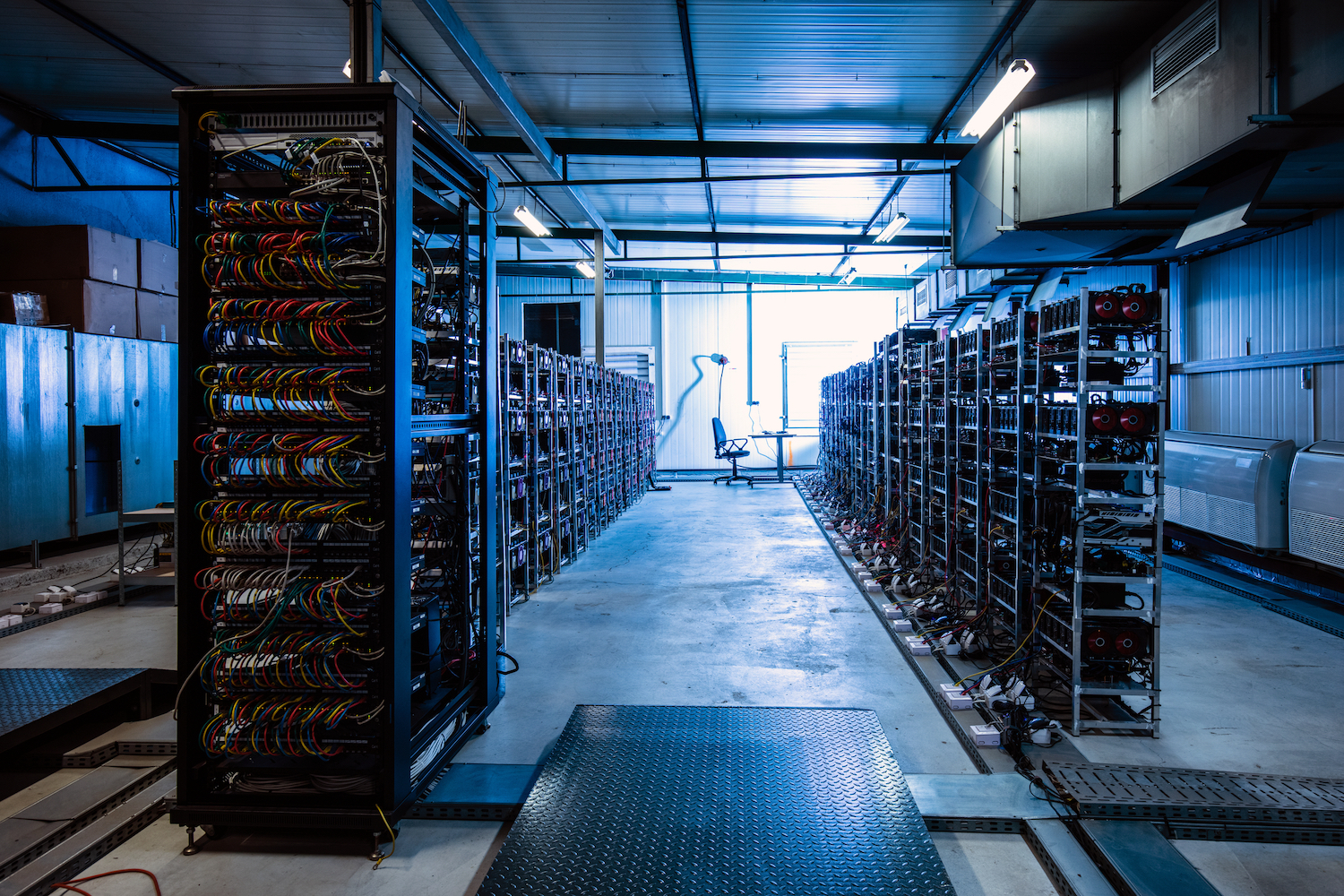
PHOTO COURTESY OF MICHAEL BEDNAREK
2021 saw the exit of China from the mining field and it really changed the landscape of the industry. World governments are scrambling to find ways to regulate crypto and that effort has been a goose chase, but mining is an easier target for regulation due to ongoing energy and manufacturing concerns.
Where Mining Is Hot
As of now, Russia and the US are the leaders in the market share of mining in terms of active mining units according to the Cambridge Bitcoin Electricity Consumption Index. The US has more access to capital markets than the countries that follow suit in the index. In addition to this, the largest mining pool, Foundry US, is currently the largest pool in the world, accounting for 17% of the Bitcoin network hashrate , which puts the US on top of this community.
But Russia is becoming a hub for sustainable mining due to their rising use of hydropower for mining. It also helps that Russia recently legalized crypto as legal tender, furthering the agenda for a mining incentive there. They account for 11% of the Bitcoin network hashrate, so this initiative will push that number up over 2022.
Other Important Players
It is also forecasted that countries with access to geothermal and hydroelectric power will begin eating some of the market share as the world moves to a more sustainable method of mining. Countries that begin to favor mining will also see some of that market share. El Salvador is an example of both a move towards sustainability and favorable regulation pushing crypto mining forward. For example, it was the first country to make Bitcoin legal tender. They also soon followed suit with using a volcano to mine crypto by adding a geothermal power plant near one, harnessing the energy to power it - a truly progressive, forward-thinking move.
Kazakhstan was another large mining fairground, accounting for nearly 20% of the network hashrate. When China shut down mining operations around the country, Kazakhstan was already a budding country in the mining industry. Many flocked to the neighboring country to continue their operations, so they saw a bump in hashrate share. Kazakhstan actually had an electricity surplus at one point, but the demand has taken a real toll on their grid contributing to power shortages. The country actually shut power to all registered miners at the end of January 2022 and has yet to restore it (at the time this article was published).
What’s Next
As countries decide how they regulate mining, it’s hard to say who will stay on top of the mining industry. The US has a commanding lead, but the door is wide open for a country to develop potent sustainable mining technology or other governments start to favorably regulate mining, allocating more resources towards it.
There won’t be as many that can enter this industry as new, inexperienced and underfunded players. The more established firms will be powerful competition and the smaller entities will have a tough time staying above water. However, the energy sector could start jumping on more mining opportunities as they already have the resources for it. It will be a very interesting year for mining around the world. We will need to pay attention to new laws and regulations world governments introduce to see where this goes.
Diamaan Gueye
Discover related insights

Bitcoin Mining; A Series - Part 1: The Ups, Downs and Rebounds
A quick introduction into Bitcoin mining, its 2021 and its future.

BITCOIN MINING; A SERIES - PART 2: HASHRATE